Moscow, Russia
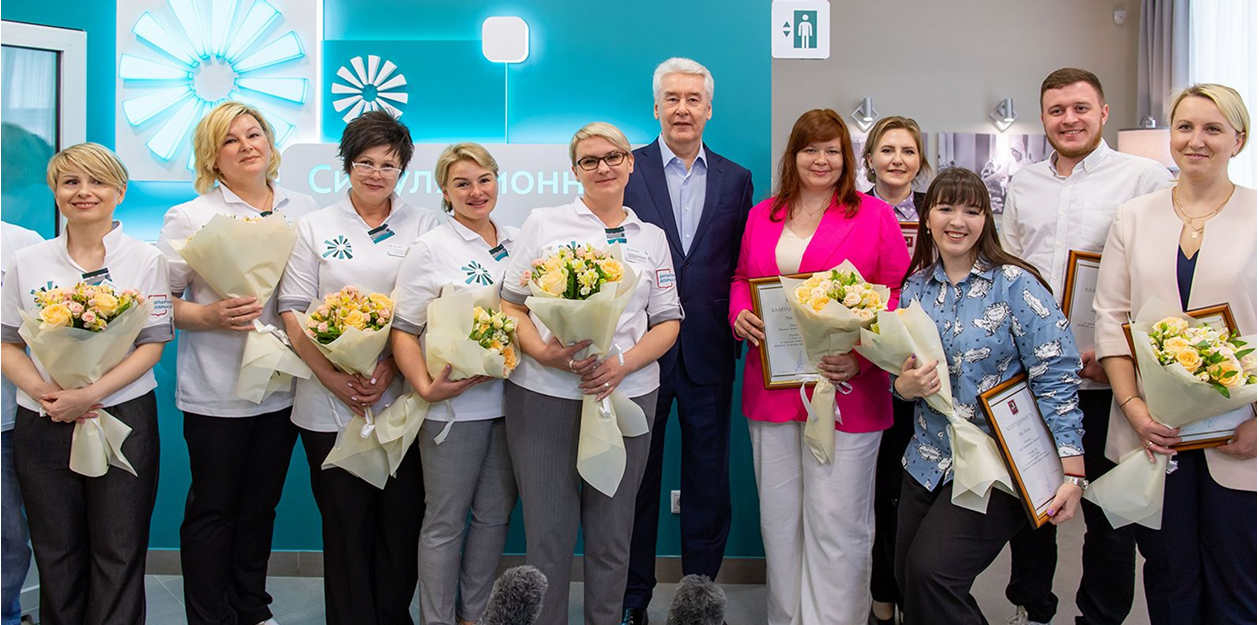
Long-Term Care Simulation Center and "Moscow Longevity" Program
The Simulation Center is an open educational space designed to develop practical care skills for people in need of assistance. It consists of 11 simulation stations organized into five thematic zones: Respect, Care, Safety, Mobility, and Hygiene, with more than 25 educational programs are implemented.The Simulation Center provides comprehensive training in all aspects of daily and long-term care. Its programs are tailored for family caregivers supporting relatives at home, professionals working in social care institutions and gerontological centers in Moscow, as well as individuals seeking to acquire new competencies or pursue a career as a professional caregiver.In addition to practical care techniques, the Simulation Center places strong emphasis on communication skills, including interaction with older adults, people living with dementia, and individuals with cognitive impairments.
Moscow faces a growing demand for high-quality long-term care driven by population aging and the increasing prevalence of chronic and cognitive conditions. Until recently, the city lacked a dedicated institution focused on practical training in care for elderly people, persons with disabilities, and individuals with severe health conditions. Existing training formats were fragmented and lacked sufficient practice-oriented components.The initiative addresses these gaps by establishing a simulation-based training center focused on developing practical caregiving skills. It aims to build a qualified workforce, support family caregivers, and improve the quality of life for care recipients through the professionalization of care services.The impact is measurable. The number of trained care assistants increased from fewer than 600 per year to over 9,000 certified specialists (76% are women; 24% are men) annually. New specialized programs were introduced, including training in communication with people with cognitive impairments (2,325 trainees), first aid (4,845), and fire safety (3,061). The number of standardized training programs expanded from 5 to over 25, while staff turnover among care workers decreased from 45% to 32%.
The initiative was driven by a critical gap between theoretical training and real-life caregiving demands, which often led to errors and reduced quality of care. Ensuring the safety of care recipients was a key priority, requiring a controlled environment where complex procedures and decision-making could be practiced without risk. In addition, the growing shortage of qualified care personnel created a need for accelerated, standardized training of a large workforce, including nurses and caregivers. Advances in technology also enabled the use of simulation tools such as robotic mannequins, VR, and interactive equipment to replicate realistic care scenarios
The Simulation Center was designed as a unified educational platform based on standardized care practices and the principles of dignity, respect, and person-centered support embedded in Moscow’s social protection system.The solution was carefully adapted to the local context. Training focuses on age-related conditions, including dementia and cognitive impairments. A hybrid training model combines high-tech simulators with basic equipment and supervised practice. Real-life environments, including home-like settings, are recreated to support family caregiving scenarios. The program also reflects local communication practices and integrates the roles of caregivers, relatives, and care recipients. The Center aligns with national professional standards and care service protocols.
The impact is reflected not only in quantitative indicators but also in behavioral change. According to an anonymous survey of 500 trainees, 94% reported reduced fear of causing harm during care, while 89% noted lower stress levels, increased confidence, and a clearer understanding of their actions.The initiative has improved service quality and accessibility, strengthened public trust through transparency and open engagement, and enhanced the professional status of caregivers through participation in professional skills competitions such as the “Moscow Masters”. For example, Anna A. completed training to care for her elderly mother. As a result, she began using assistive equipment, including a transfer belt, adaptive tableware, and a sliding sheet. This reduced her physical strain, improved the quality of care, allowed her to have more personal time, and strengthened her relationship with her mother.Another case involves a trained care assistant who applied first aid skills acquired at the Simulation Center in a real emergency. The caregiver performed cardiopulmonary resuscitation for 40 minutes before emergency services arrived, ultimately handing over the patient conscious to the medical team. Overall, the initiative has shifted the system from reactive responses to proactive training and prevention, improving quality of life.
“Moscow Longevity” is the Moscow Mayor’s flagship program promoting active, healthy, and socially engaged ageing. It provides older residents with free opportunities for physical activity, education, creativity, and community participation, helping them improve quality of life and remain active contributors to the city.A powerful example is Aleksandr Kirillin, who joined the program after a heart attack. Through dance classes, he restored his health, became a mentor, and later founded his own club, which has grown into a community of 150 members. Today, he leads the dance direction of the program and organizes annual competitions with over 1,000 participants.Participants can access activities delivered by partner organizations across the city, as well as in dedicated Moscow Longevity Centers designed as welcoming community spaces.Since its launch, the program has engaged more than 720,000 older residents, becoming one of the largest urban initiatives supporting active longevity and social inclusion.
Before the launch of the “Moscow Longevity” program, many older people in Moscow faced social isolation. Their activity and social life were often reduced to a minimum, while opportunities for communication, self-realization, and meaningful leisure were limited. The lack of accessible educational and leisure programs, as well as the absence or insufficiency of infrastructure for communication and active recreation, led to a lower quality of life and deterioration in physical and emotional well-being. For many older Muscovites, the feeling of being unneeded and disconnected from public life became a serious challenge.The “Moscow Longevity” program was launched in 2018 and is implemented in accordance with Resolution No. 1578-PP of the Moscow Government. The program was introduced in response to global demographic trends, including increasing life expectancy, the growing share of older people in society, and the emerging need to extend active longevity. The Moscow Government set itself the task not only of adapting to these challenges, but of creating all necessary conditions for older people to lead active, fulfilling, and safe lives in the city. “Moscow Longevity” has become the largest program for older Muscovites, bringing together sports, wellness, educational, and leisure activities.
The motivation behind the “Moscow Longevity” program was the need to improve the quality of life of older residents and create opportunities for their active life. The program was launched in 2018 under the leadership of Moscow Mayor Sergey Sobyanin in response to global demographic trends, including increasing life expectancy, a growing share of the older population, and rising demand for active longevity.In the same year, the program became part of the regional “Older Generation” program within the national “Demography” project, and since 2025 it has been included in the new national project “Family.” The Moscow Government aimed to address the growing demand for accessible activities, social interaction, and personal development among older residents.
The program was developed, piloted, and successfully scaled, becoming a catalyst for social change in active ageing and well-being. Its launch not only created new opportunities but also transformed approaches to working with older citizens. A client-oriented model encouraged participants to actively shape their own longevity paths by choosing activities and discovering new interests. For the first time, sports, educational, creative, and social activities were integrated into a single system, now embedded in the city’s infrastructure and everyday life.
Evidence of change from the “Moscow Longevity” program is confirmed by sociological surveys demonstrating improvements in quality of life, social engagement, and well-being among older residents. According to surveys, 75% of Muscovites aged 35+ note its positive impact, including increased social participation and longer healthy life expectancy. It also contributes to a more inclusive environment (69%) and improves financial, legal, and digital literacy (68%). Nearly half report a more respectful attitude toward older generations.Measured outcomes include improved quality of life: 96% of participants report positive changes, with well-being levels 20% higher than among non-participants. A vivid example is 73-year-old Maria Smychagina, who joined a karate class in 2022. She trains regularly, has earned a green belt, and won first place in the 2025 national kyokushin kata competition (60+ category). Having undergone cancer treatment, she credits training with her recovery. Her example inspired her granddaughter Sasha to take up karate, and they now train together, strengthening intergenerational ties. Additionally, 76% report stronger family relationships, while 55% consider themselves socially active (vs. 32% among non-participants). 78% of respondents would recommend the program to older relatives.