Gangnam District, Seoul, Republic of Korea
From Risk to Prevention: An Integrated Public Safety Model for Urban Addiction
Gangnam-gu has regarded drug addiction not as individual deviance but as a public health issue, and has therefore implemented a multifaceted societal response. First, a collaborative response model involving 16 agencies was established to prevent drug-related crimes. This system integrated previously fragmented enforcement and prevention efforts, by linking the entire process from 'drug crime prevention to anonymous testing, treatment and recovery'. Additionally, seven private psychiatric clinics were designated as specialized addiction treatment centers to support early intervention. Digital media campaigns and educational programs for residents were also implemented. As a result, the number of drug crimes decreased by an 16% annually. Furthermore, the policy scope was expanded to cover the four major addictions - drugs, gambling, media, alcohol- and an 'Integrated Addiction Management Support Center' was established. The approach shifted from a treatment-centric model to a comprehensive system covering 'early screening, treatment, rehabilitation and public awareness improvement'.
Gangnam-gu has one of the highest concentrations of medical institutions handling controlled substances. In Seoul, prescriptions issued in Gangnam account for 17% of all prescriptions for phentermine, an appetite suppressant, and 17% of those for methylphenidate, an ADHD medication, as well as 76% of ketamine prescriptions and 44% of propofol prescriptions. In 2024, the district recorded 817 drug-related crimes, about 27% of Seoul’s total, the highest share among all districts. Previously, Gangnam-gu addressed addiction through a fragmented, agency-specific approach. Police focused on crackdowns and investigations, public health centers on administrative sanctions, and hospitals and treatment facilities on managing people with addiction. This lack of information sharing and coordination meant responses were often reactive, occurring only after crimes had already taken place. The urgency of change became clear on April 3, 2023, when a drug-related crime occurred in Daechi-dong, Gangnam’s education hub. A criminal group disguised an event as a “concentration-boosting drink” tasting and distributed beverages containing methamphetamine and ecstasy. Nineteen people were harmed, including 13 minors, shocking the community and underscoring the need for comprehensive, preventive measures. In March 2024, Gangnam-gu revised its Ordinance on the Prevention of Narcotics and Drug Abuse and began implementing a region-specific addiction prevention model.
Gangnam-gu has a high rate of prescriptions for medical narcotics and entertainment establishments vulnerable to drug crimes concentrated in certain areas. However, responses to drug crimes had been handled separately by different agencies and were largely focused on reactive measures.
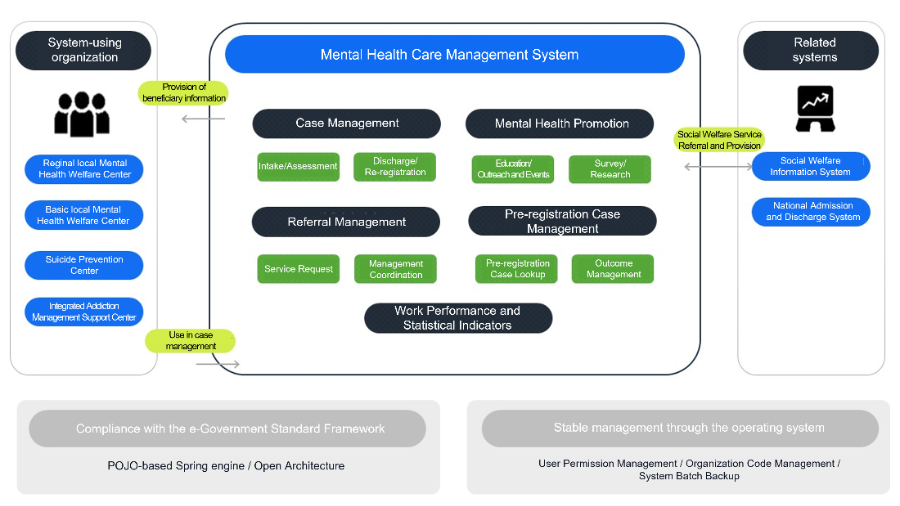
To overcome these limitations, relevant agencies collaborated. (1) Gangnam-gu Coordinating Council on Narcotics and Drug Misuse: A collaborative channel involving 16 agencies (such as the police, customs authorities, medical associations). (2) Anonymous Drug Testing: This enables individuals to seek help without fear of social stigma. (3) Early Treatment Support: Designated private psychiatric clinics as 'Addiction Treatment Companion Clinics' to lower the barrier to treatment. (4) Integrated Addiction Management Support Center: Established the first specialized institution dedicated to addiction issues in Seoul's southeastern district. Abundant private medical resources were integrated into public healthcare, and local media boards were utilized for drug prevention campaigns. Education programs were was strengthened to prevent the misuse of 'diet pills' and 'study aids,' which are of high interest among parents and students. Furthermore, the scope was expanded to include early intervention for youth in order to prevent digital addiction and drug-related recidivism. Rehabilitation programs are operated to support the recovery of treatment recipients and their families.
Gangnam-gu has reframed drug abuse not merely as an individual issue but as a city-wide public health and safety challenge. Based on this perspective, Gangnam-gu shared its strategic direction with relevant agencies and established a coordinated response system. Of the 27 anonymous urine tests conducted, one tested positive, and the individual was referred to a specialized testing facility for further examination. In addition, 967 outpatient visits were provided through partner addiction treatment clinics utilizing private-sector medical resources. Patients wishing to enter rehabilitation programs are immediately referred to the Integrated Addiction Management Support Center. From January to March 2026, two individuals with drug addiction were referred to the Center, one of whom continues to receive ongoing care. Through weekly counseling, this individual began to recognize the harmful effects of drug use, participated in self-help group meetings, and strengthened their commitment to abstinence. The individual is currently practicing coping skills for high-risk situations through monthly counseling sessions. The Center has also expanded its services beyond drug addiction to include alcohol, gambling, and internet addiction. In 2025, Gangnam-gu conducted 354 drug prevention education sessions for 46,076 participants and carried out 115 promotional and awareness campaigns through various media channels.