Istanbul, Türkiye
Mobile Hygiene and Psycho-Social Support Service for Homeless Individuals
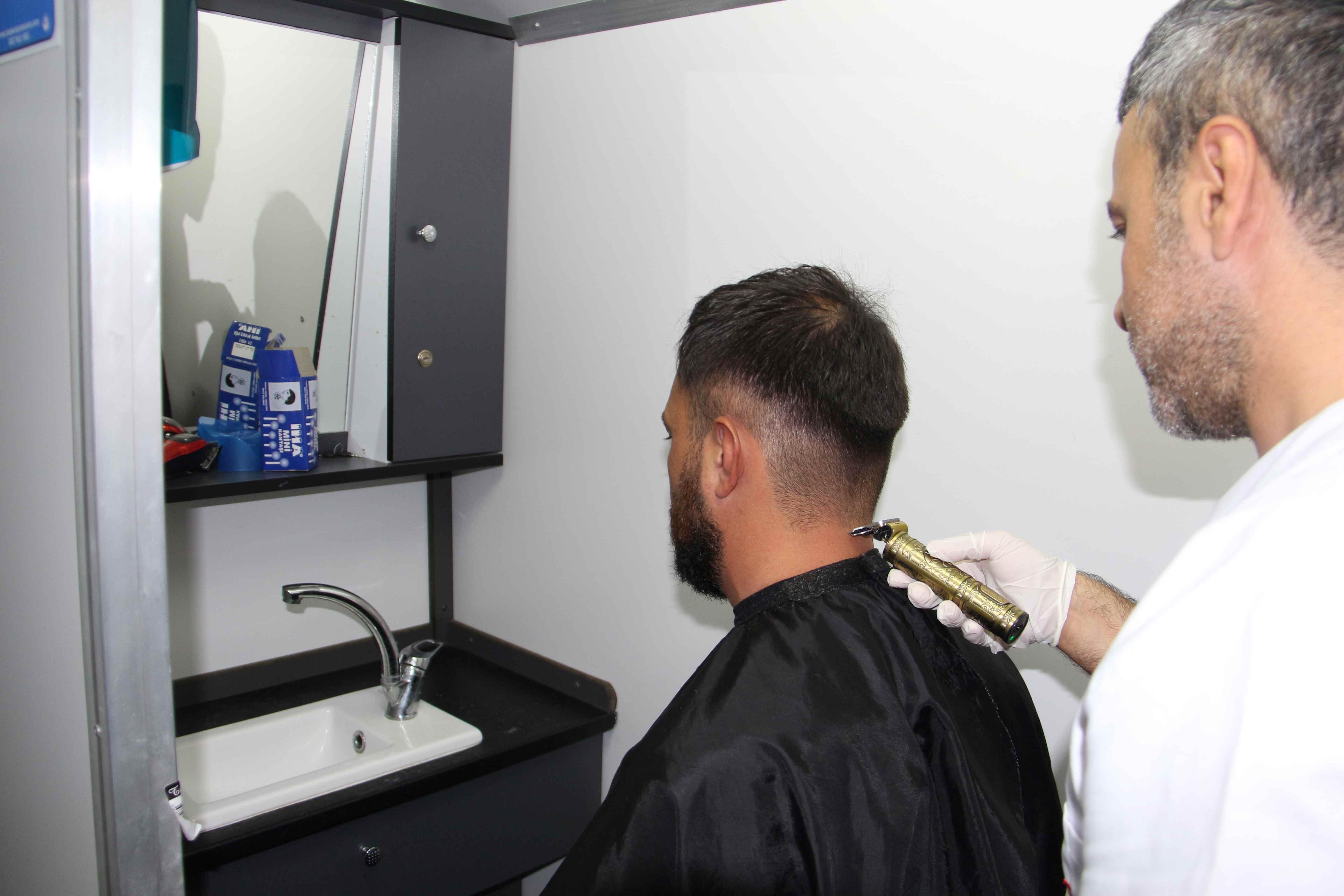
The Istanbul Mobile Bath Service Vehicle Project is an innovative urban social service model addressing the hygiene, personal care, and psychosocial needs of homeless individuals lacking access to sanitation services. Through a specially equipped mobile vehicle, showers, toilets, barber services, clean clothing, and psychosocial support are delivered at a single access point.The initiative emerged from field observations during winter homeless services and was realized through the conversion of a bus allocated by IETT. Initially launched by the Darülaceze Branch Directorate, it was institutionalized through Istanbul Metropolitan Municipality’s participatory budgeting program, “Bütçem İstanbul.” Piloted in Yenikapı in April 2024 and relocated to Taksim based on field data, the service adapts to changing needs.By transforming existing municipal infrastructure into a mobile, dignity-centered platform, the initiative offers a low-cost, scalable, and inclusive solution that improves hygiene access, protects public health, and reduces urban inequalities.
In Istanbul, homelessness is a multidimensional urban challenge shaped by interconnected economic, social, and health-related factors, including poverty, unemployment, migration, weakened family ties, mental health issues, and substance dependency. While no official TurkStat-style figure exists, the Istanbul Planning Agency’s 2023 report indicates that visible street homelessness in the city exceeds 2,000 people, alongside hidden homelessness and insecure temporary living conditions.Individuals living on the streets or in temporary and insecure shelter conditions face serious barriers in accessing basic services such as showers, toilets, clean clothing, and psychosocial support. This increases the risk of infectious diseases and negatively affects both physical and mental health. In particular, after temporary winter services come to an end, the need for hygiene, personal care, and social support continues, creating a significant service gap.The initiative was developed to address this gap by providing flexible, on-site, and dignity-based hygiene and support services beyond the winter period.
The idea for the project emerged from field experience gained during seasonal services provided by the Darülaceze Branch Directorate of the Istanbul Metropolitan Municipality, as well as from applications submitted to the Municipality’s Solution Center, the official platform for citizen requests and complaints. Observations during winter shelter services and citizen feedback revealed that homeless individuals face persistent difficulties in accessing hygiene, personal care, and clean clothing throughout the year, not only during extreme weather conditions. Particularly in summer, rising temperatures intensify hygiene needs, while limited access to basic facilities increases health risks and further worsens living conditions. This highlighted a critical service gap beyond temporary seasonal support.
In response, the Istanbul Mobile Bath Service was designed as a flexible, mobile, and integrated service model. An existing public transport vehicle was converted into a mobile unit equipped with showers, toilets, changing areas, barber services, and social assessment spaces. Built on principles of hygiene, privacy, safety, and human dignity, the initiative integrates psycho-social support and referral mechanisms. By reimagining existing municipal infrastructure as a mobile, dignity-centered service platform, the initiative demonstrates a low-cost, scalable, and human-centered approach to inclusive urban service delivery.
This initiative has improved hygiene conditions for homeless individuals, reduced public health risks, and facilitated access to social services. The number of beneficiaries is regularly monitored through service records, field observations, and social assessment reports. Psychosocial support services have enabled referrals to housing, healthcare, and social assistance mechanisms. Overall, the project has strengthened social inclusion and created a sustainable, dignity-centered urban service model. The Mobile Bathing Service Vehicle Project served a total of 3,801 individuals in 2025. Of the 3,801 beneficiaries served in 2025, 3,722 were male and 79 were female. Age distribution data shows that the majority of beneficiaries were concentrated between the ages of 30 and 60. The largest group was aged 40–50 (1,056 individuals), followed by 50–60 (827 individuals), 30–40 (759 individuals), and 60–70 (666 individuals). This indicates that the service primarily reached middle-aged individuals, who represent the most visible and vulnerable segment of the homeless population. At the same time, the initiative also served younger and older age groups, demonstrating its inclusiveness and accessibility across different age segments.