Las Parejas, Argentina
HomeGround: Land for Opportunity
HomeGround: Land for Opportunity is an innovative land-based housing policy developed by the City of Las Parejas to address a critical gap between rapid employment growth and access to affordable housing in intermediate industrial cities. By focusing on access to serviced urban land as the main barrier to homeownership, the initiative links economic development with inclusive urban planning. Through a structured public–private partnership, local industries co-finance land acquisition while the municipality provides infrastructure and regulatory support. The program delivers 243 serviced plots at a symbolic cost (approximately USD 1 per square meter, compared with a market value of USD 100) and offers flexible payment schemes and social allocation criteria that prioritize vulnerable groups. By enabling workers to settle and build in the city, HomeGround strengthens economic stability, promotes social inclusion, and offers a scalable model for cities facing similar growth pressures.
Located in southwestern Santa Fe Province, Las Parejas is a dynamic agro-industrial hub with a high concentration of manufacturing activity, particularly in agricultural machinery. With more than 180 small and medium-sized enterprises employing around 2,700 workers, it was once described as one of the most industrialized small cities in South America relative to its population (one factory for every 90 inhabitants). Over the past two decades, sustained economic growth has driven significant internal and regional migration, especially among young working families. This resulted in a 14% population increase between 2010 and 2022, placing increasing pressure on the local housing system. However, the expansion of employment was not matched by the supply of affordable urban land. Rising land prices made homeownership inaccessible for a large share of the workforce, revealing a structural gap between access to jobs and access to housing. Previous approaches, mainly focused on incremental land allocation, proved insufficient, particularly due to delays in infrastructure provision and limited scalability. HomeGround was designed to address this gap by repositioning access to serviced land as a central housing policy tool.
The HomeGround initiative emerged from the need to reconcile sustained industrial growth with inclusive urban development in Las Parejas. As housing affordability became a critical barrier for workers and young families, the municipality reframed the challenge by identifying access to serviced land as the primary constraint.
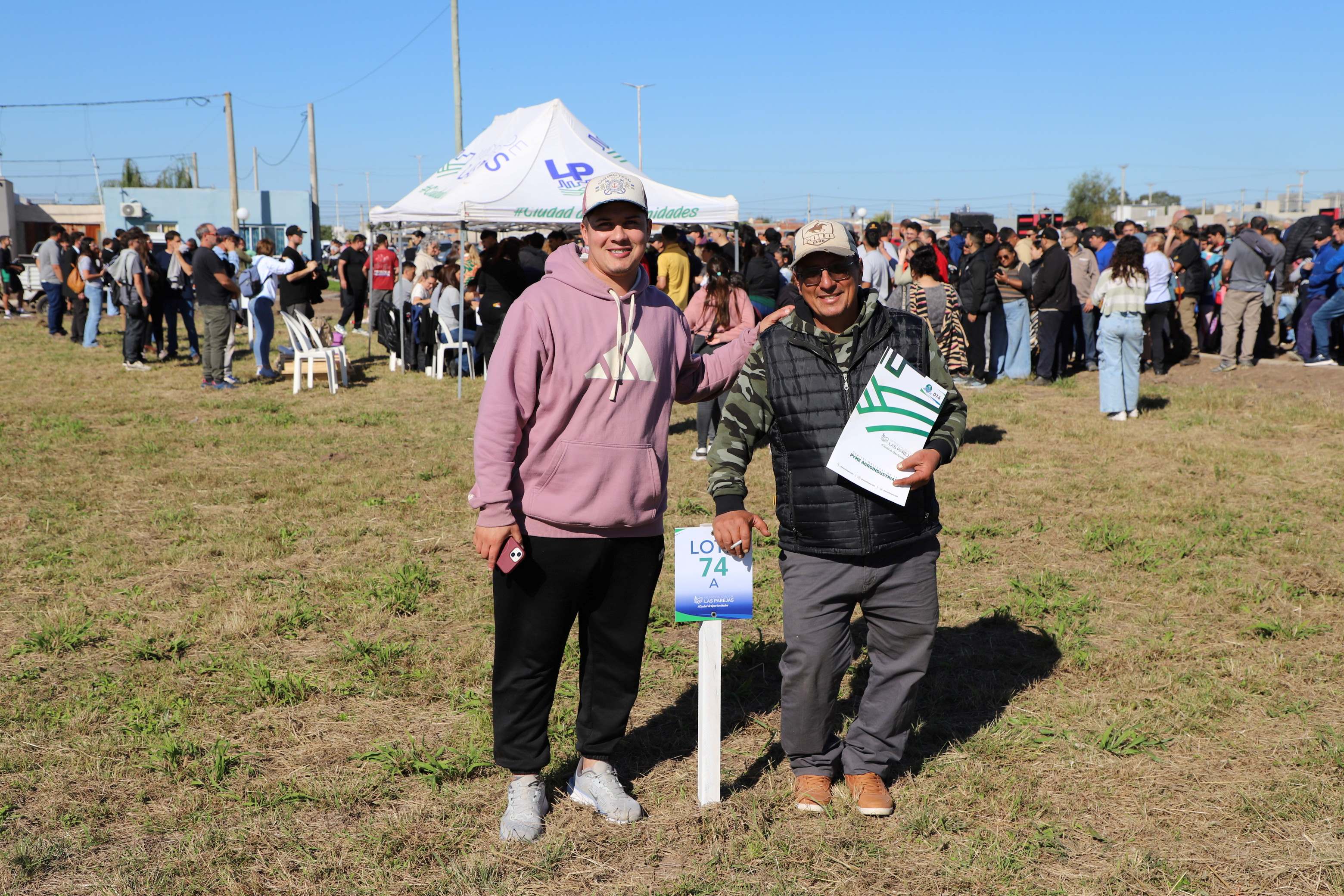
The innovation lies in a structured public–private model that directly links employment and housing access. The municipality and local companies jointly facilitated the acquisition of a 10-hectare site, recognizing that workforce stability depends on the ability of workers to settle in the city. Key design factors included affordability, infrastructure readiness, and social inclusion. Unlike previous experiences, the initiative prioritized the provision of basic services (electricity, water, drainage, and improved roads) in the early stages to ensure livability and reduce implementation risks. The allocation system was tailored to the local context, combining economic and social criteria: 162 plots were reserved for workers through participating companies, and 81 were allocated through a general municipal quota, with priority given to vulnerable groups such as single mothers and families with members with disabilities. Complementary measures, including free standardized housing designs and reduced permit fees, were introduced to accelerate construction and facilitate homeownership.
The HomeGround initiative has generated measurable impacts by expanding access to serviced land and reducing housing constraints in Las Parejas. To date, the program has delivered 243 serviced plots, complemented by 139 housing units under construction through national programs, resulting in nearly 400 housing solutions. This represents a direct impact on approximately 10% of the city’s population, a significant outcome for an intermediate city. The initiative has improved access to basic urban services such as water, electricity, and road infrastructure. Beyond physical outcomes, the initiative has contributed to increased residential stability, workforce retention, and social integration of migrant families. It has also encouraged a shift toward coordinated public–private approaches in local policy design.