Qingdao, China
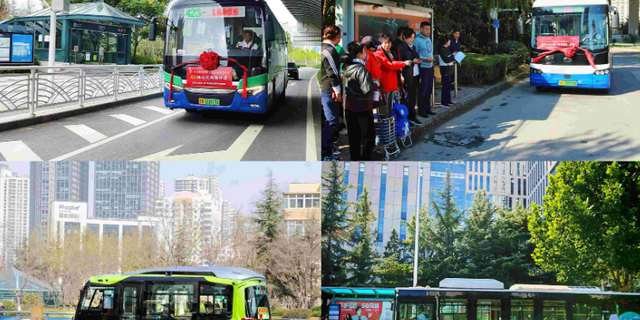
An Integrated Data-driven Approach to Green and Low-carbon Urban Transportation
Qingdao's Digital Twin Approach to Green Transport represents a comprehensive eight-year initiative (2016–2024) that transformed urban transport governance from "blindfolded decision-making" into precise, data-driven action. Facing worsening congestion and rising emissions, the city developed QTGLP, a carbon-monitoring platform integrating IoT sensors, GIS tools and the Q3D digital twin to track emissions from buses, metro trains and taxis in real time.
The innovation lies in its four-party collaboration model, uniting government, research institutions, enterprises and citizens around a "who participates, who benefits" principle. Through unified data standards and tangible incentives—including free energy diagnostics for bus companies and e-CNY rewards for green travel through the Lcago app—the project achieved notable outcomes: the green-travel share rose from below 60% to 70%, transport carbon intensity fell by 30%, and more than 8 million citizens participated in carbon-reduction activities, cutting more than 200,000 tonnes of CO₂. The project also optimised 60 bus routes, accelerated the adoption of new-energy vehicles and supported the use of green technologies on Metro Line 6.
Qingdao’s data-driven decision-making platform for green transportation exemplifies the iterative nature of urban innovation. Through the systematic integration of data resources and the application of AI technologies to support effective transport-related decision-making, the city is advancing a healthier and more sustainable urban environment.
This initiative was highly recommended because it demonstrates that effective urban climate action requires not only technology, but also the ability to translate data into meaningful benefits for all stakeholders, making it a scalable model for cities worldwide seeking to integrate digital governance with sustainable development.