Guangzhou International Garden Expo
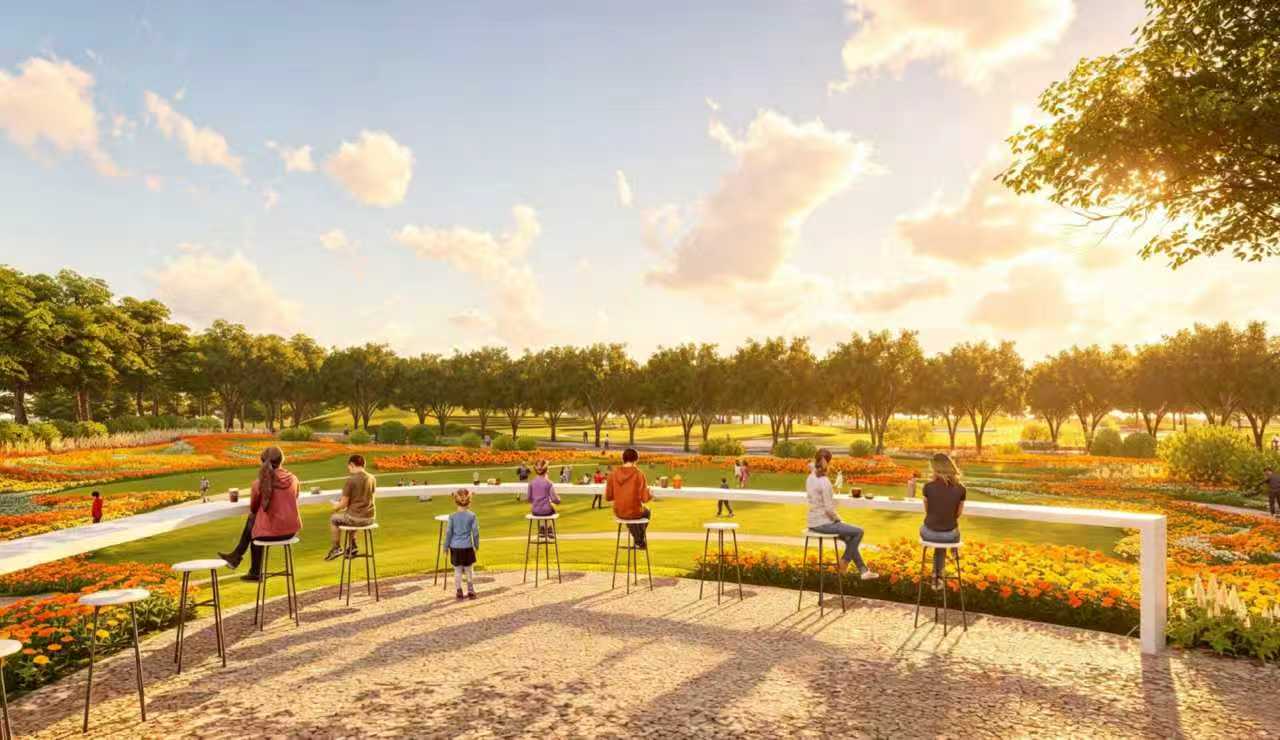
The 33rd Guangzhou Garden Expo aims to help build an innovative, livable, beautiful, resilient, civilized, and smart modern city for the people. Aligned with China’s 15th Five-Year Plan and guided by the theme “Beautiful Landscapes, A Flourishing Guangzhou · A Vibrant Natural Home,” the Expo uses interconnected ecological infrastructure as its driving force and is organized around a spatial layout of “One Area, Two Mountains, Three Commercial Zones, and Multiple Sites.” The main venue is located in the Rongdeli area along the historic Fuxu Ancient Canal in Huangpu District. It links green ecological sites in the “Two Mountains” area with three distinctive commercial districts—Tianhe, Yuexiu, and Liwan—creating a citywide, urban-rural integrated ecological framework that benefits the public.
Focusing on city-park integration, urban renewal, brand building, urban operation, people-centered development, and the Green and Beautiful Guangdong initiative, the Expo highlights four key innovations:
Ecological Infrastructure First: Revitalizing Existing Spaces. With the 10-kilometer ecological corridor along the Fuxu Canal as its backbone, the Expo advances ecological restoration, connected pedestrian and cycling paths, and nighttime canal tours, using green interventions to revitalize existing urban spaces.
Floral Themes Driving Industrial Upgrading. Featuring sage and sunflowers as its dual theme flowers, the Expo presents kilometer-long Maritime Silk Road flower borders and themed flower fields, while bringing together leading national enterprises and upstream suppliers to boost consumption across the entire flower industry chain.
Deep Integration of Exhibition and Development: Activating Underused Assets. Idle factory buildings are revitalized to house the first Garden Expo Pavilion, while retained buildings host the “Good House” exhibition. Market streets and commercial areas are woven into the site to create an integrated exhibition-and-consumption model. After the Expo, green spaces and facilities will be handed over to local communities for long-term shared use.
Multi-Stakeholder Co-Creation: Building a Collaborative Governance Model. By engaging market players to create corporate gardens and curator-led gardens, and involving the public in co-creation, the Expo builds a shared, collaborative expo ecosystem based on co-construction, co-governance, and shared benefits.